Mk Edit Aesthetic Dark Photo Prompt Guide
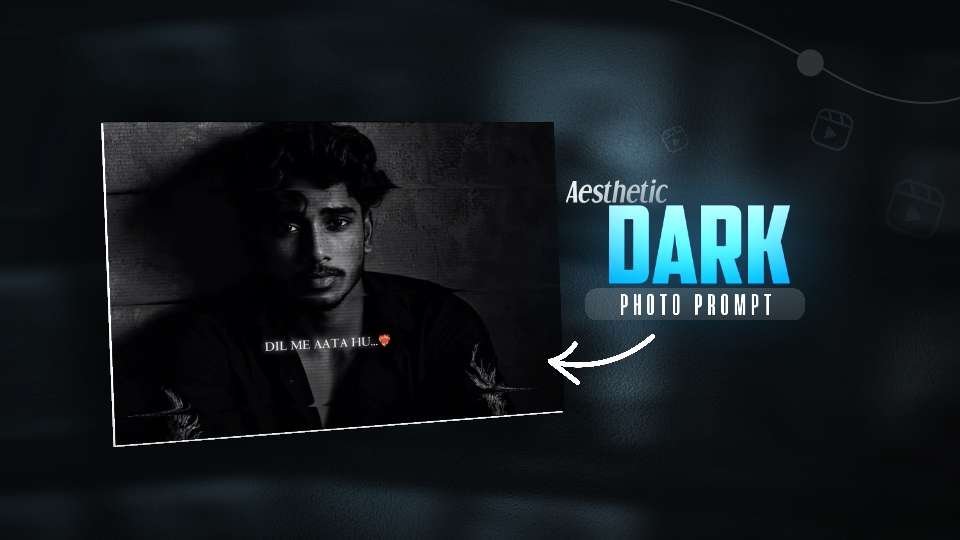
Mk Edit style portraits have become a favorite across Instagram, TikTok, and YouTube Shorts because they feel dramatic, polished, and emotionally charged. If you want a look that feels like a magazine cover, a cinematic black-and-white portrait is one of the best directions to try.
In this guide, you will learn how to build a strong Mk Edit workflow for dark aesthetic portraits, how to shape a better AI image prompt, and how to turn the result into a short cinematic edit. The goal is simple: create a photo that looks premium, attracts attention fast, and works well for reels, profile pictures, and creative content.
This look combines three things that work very well together: a detailed AI-generated portrait, a monochrome color style, and smooth motion editing. When used correctly, the result can feel artistic and professional without needing advanced software skills.
Mk Edit for Dark Portraits: Why This Style Works
The appeal of a dark portrait lies in contrast. Strong shadows, sharp facial detail, and a clean background pull the viewer’s eye straight to the subject. That is why this style often performs well on social platforms where people scroll quickly.
Read Also: Mk Edit Cinematic Black Portrait Prompt Guide | Mk Edit Viral Photo Editing Prompt Guide
Another reason Mk Edit content performs is emotion. A serious expression, low-key lighting, and subtle grain can make even a simple portrait feel cinematic and memorable. In fact, many creators use this exact look for motivational reels, profile photos, and short-form storytelling.
- It creates instant visual drama.
- It works well in black and white.
- It gives ordinary portraits a premium feel.
- It fits reels, shorts, and status videos.
Mk Edit Prompt Basics for a Cinematic Portrait
A good result starts with a clear prompt. If the instructions are vague, the image generator may produce flat lighting, weak expressions, or a background that distracts from the subject. However, when you define the mood, lighting, clothing, and camera style, the output becomes much more usable.
For this type of Mk Edit portrait, focus on the following elements: a monochrome palette, deep shadows, realistic skin texture, a moody expression, and a minimal background. You should also mention camera realism, because that helps the image look like real editorial photography instead of a generic AI picture.
- Lighting: side light, low-key light, dramatic shadow falloff
- Face detail: sharp eyes, realistic skin texture, natural facial features
- Style: editorial portrait, magazine look, cinematic mood
- Background: plain, industrial, rough, or minimal
- Quality: DSLR feel, high detail, soft grain, shallow depth of field
Cinematic monochrome portrait style
This style is ideal when you want a serious, high-end portrait with a film-like mood and strong contrast. It works especially well for creators who want a profile image or reel cover that looks more premium than a standard selfie.
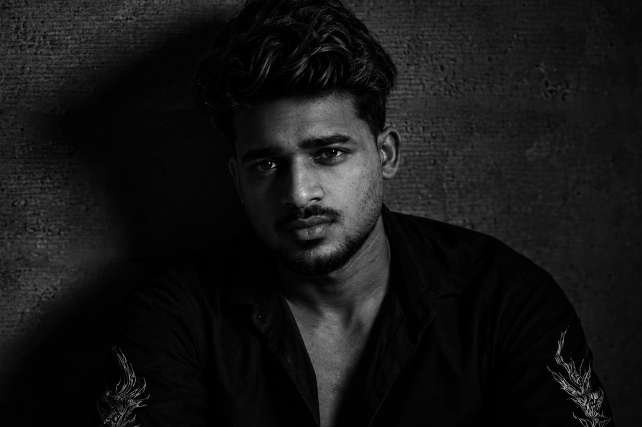
After generating the image, check whether the face still looks natural and whether the clothing and background match the mood you want. If the image feels too busy, reduce background detail and keep the lighting focused on the face.
Mk Edit Workflow After the Image Is Generated
Once the portrait is ready, the next step is motion editing. This is where the still image becomes social-media friendly. A simple slow zoom, soft glow, and subtle blur transition can make the final reel feel much more polished.
For a strong Mk Edit result, avoid too many effects. The point is to enhance the emotion of the portrait, not cover it up. Small movements and controlled transitions usually look better than aggressive animations.
| Editing Step | What to Do | Why It Helps |
|---|---|---|
| Zoom | Add a slow push-in movement | Builds tension and focus |
| Color | Keep the frame in black and white | Maintains the cinematic mood |
| Effects | Use soft glow, light leaks, or faint grain | Adds depth without distraction |
| Audio | Choose emotional instrumental music | Supports the atmosphere |
If you use CapCut or a similar editor, start with motion first, then add atmosphere. That order helps you keep the composition clean while still making the final video engaging.
Mk Edit Tips for Better Face Consistency
One common issue with AI portraits is face changes. If you want the final image to look like the same person across multiple edits, be very specific about the subject’s identity details. Mention the hairstyle, eye shape, nose shape, expression, and pose clearly.
This is especially important for a Mk Edit portrait because the style depends on realism. If the face becomes distorted, the dramatic lighting loses its impact. Keep the subject centered, preserve natural proportions, and avoid overly complex accessories that may confuse the generator.
- Describe the face clearly and consistently.
- Keep the pose simple.
- Use a minimal background.
- Ask for realistic texture and sharp focus.
- Review the result before moving to video editing.
Mk Edit Comparison: Soft Portrait vs Dark Cinematic Look
Not every portrait needs the same mood. A soft portrait can feel warm and friendly, while a dark cinematic portrait feels intense, artistic, and dramatic. Knowing the difference helps you choose the right direction for your content.
For social media engagement, Mk Edit dark portraits often stand out more because they create curiosity faster. Soft portraits are easier and more casual, but the darker style usually delivers a stronger visual punch when you want people to stop scrolling.
| Feature | Soft Portrait | Dark Cinematic Portrait |
|---|---|---|
| Lighting | Even and gentle | Strong and directional |
| Mood | Warm, calm, clean | Mysterious, emotional, bold |
| Best Use | Lifestyle content | Reels, thumbnails, profile images |
| Visual Impact | Moderate | Very high |
Mk Edit Content Ideas for Reels and Shorts
Once you have your portrait, you can use it in several ways. A single image can become a reel cover, a status clip, a profile banner, or a short cinematic montage. That makes this style efficient for creators who want more output from one asset.
Many people use a Mk Edit portrait for motivational edits, moody introduction videos, and personal branding clips. It is also useful for testing how audiences respond to a darker, more dramatic version of your visual identity.
- Instagram reel cover images
- YouTube Shorts thumbnails
- Profile pictures with a cinematic edge
- Motivational quote videos
- Status edits with music and fade effects
Mk Edit FAQ
What is the best way to use a Mk Edit portrait prompt?
The best approach is to start with a detailed prompt that defines lighting, mood, clothing, and background. Then refine the image after generation by adjusting only the parts that feel off. This keeps the portrait realistic and easy to reuse in different edits.
Can I use a Mk Edit portrait for social media profiles?
Yes, and it often works very well because the style is bold and memorable. A clean, centered portrait with sharp facial detail can make your profile look more premium. Just make sure the face remains natural and the composition stays simple.
Mk Edit Conclusion
A powerful portrait does not need complex editing. With the right prompt, careful face details, and a subtle cinematic finish, you can create a dark black-and-white image that feels premium and modern.
If you want a dramatic, scroll-stopping result, Mk Edit is a smart style to explore next. Try the workflow, refine your lighting choices, and start building portraits that look ready for reels, thumbnails, and profile use today.
For more about cinematic image style and portrait composition, you can also explore portrait photography and the official Adobe Photoshop page for editing tools and workflows.
Leave a Reply