Mk Edit Cinematic Black Portrait Prompt Guide
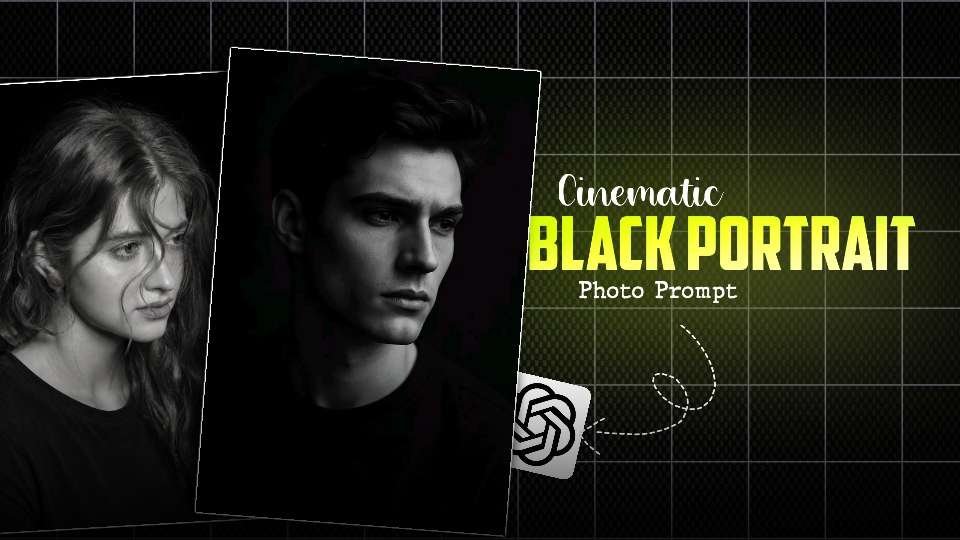
Mk Edit has become a popular search term for creators who want a dramatic, studio-style portrait look without expensive gear. In this guide, you will learn why the cinematic black portrait style works so well, how AI helps shape the final image, and how to use the two prompt sections below for clean, professional results.
This trend is especially strong on Instagram because it turns a simple selfie into something that feels artistic, premium, and highly shareable. With the right lighting, composition, and monochrome styling, even an ordinary portrait can look like a magazine cover.
Mk Edit and the rise of cinematic black portraits
The appeal of Mk Edit is simple: it gives everyday photos a bold editorial mood. Instead of relying on basic filters, creators now use AI photo editing prompts to recreate the feel of a black-and-white studio shoot with more control over detail, shadow, and facial texture.
Read Also: Mk Edit Viral Photo Editing Prompt Guide | Mk Edit: Viral Instagram Photo Edit Guide
What makes this style stand out is the balance between realism and drama. The best results keep natural skin texture, preserve facial identity, and add deep contrast that makes the portrait feel expensive and intentional.
If you want to understand the visual language behind this trend, it helps to look at classic portrait photography. A useful reference is portrait photography, which explains how framing, expression, and lighting shape the mood of a face-centered image.
Why Mk Edit works so well for Instagram content
Mk Edit styles perform well on social platforms because they are instantly noticeable in a crowded feed. Black-and-white portraits naturally pull the eye toward the subject’s face, while strong shadows and soft highlights create a cinematic finish.
Creators also like this look because it is versatile. It can be used for profile pictures, creator branding, aesthetic posts, banner visuals, and personal highlight covers. In short, it fits both casual users and people building a serious visual identity.
- It creates a premium editorial appearance.
- It increases visual contrast in the feed.
- It works well for profile photos and aesthetic posts.
- It looks polished even without heavy retouching.
Mk Edit prompt structure for realistic results
The power of Mk Edit comes from the way the prompt describes the image. A strong prompt does more than say “black portrait.” It defines lighting direction, pose, camera angle, lens style, background mood, and monochrome grading so the AI can generate a believable result.
When a prompt is detailed, the output usually looks more controlled and more cinematic. That is why prompt-based editing has become so useful for creators who want consistent results across different photos.
| Prompt element | Why it matters |
|---|---|
| Lighting | Shapes the shadows and adds depth to the face |
| Pose and angle | Makes the portrait feel intentional and editorial |
| Background | Keeps attention on the subject |
| Camera settings | Helps the image feel like a real studio shot |
| Texture detail | Preserves realism instead of making the face look flat |
Low-key studio portrait effect
This effect is built around strong contrast, soft falloff, and a clean monochrome finish. It works especially well on portraits with clear facial details and a simple background.
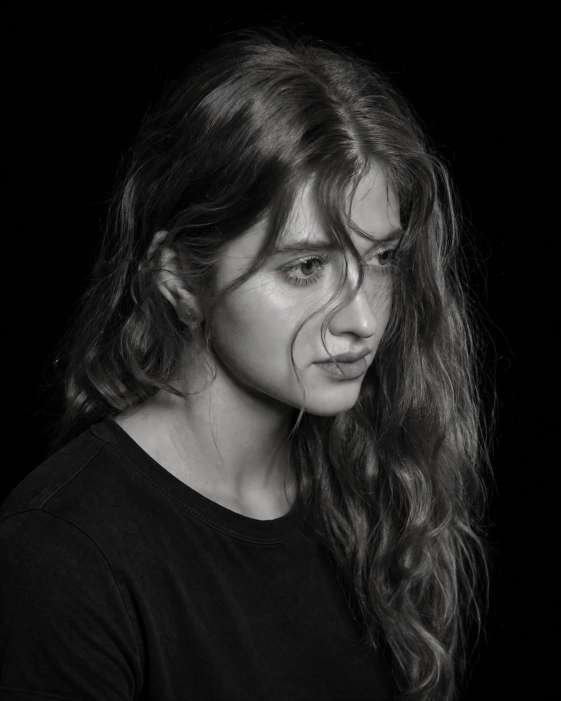
For best results, start with a sharp source photo where the face is fully visible and not heavily cropped. A neutral expression and good side lighting can help the final portrait look more natural and refined.
Fine-art monochrome portrait effect
This version is useful for people who want a softer editorial edge while still keeping the image bold and dramatic. The monochrome styling and studio lighting make it suitable for both social media and personal branding.
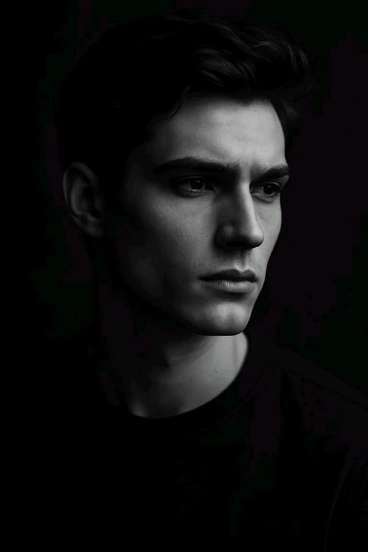
To improve the final image, use a portrait with even lighting, a simple background, and a face that is easy for the AI to read. Small improvements in source quality often lead to a much more realistic and shareable result.
How to get better results from Mk Edit
Even with a strong prompt, the source image still matters. Mk Edit works best when the original photo has good resolution, a visible face, and minimal distractions around the subject.
Here are a few practical tips that help:
- Use a clear front-facing or slight side-angle portrait.
- Choose a photo with natural facial detail and sharp focus.
- Avoid busy backgrounds that compete with the subject.
- Keep the expression calm and believable.
- Export the final image at high quality for social sharing.
You can also study how professional camera basics affect portrait results by checking the official Sony Alpha site at Sony Alpha. Even if you are using AI instead of a camera, the ideas behind lens choice, framing, and depth of field still matter.
Mk Edit compared with basic photo filters
One reason Mk Edit stands out is that it creates a more layered result than a standard black-and-white filter. Filters often only change color, while AI prompts can reshape the entire visual mood of the portrait.
| Feature | Basic filter | Mk Edit AI prompt |
|---|---|---|
| Lighting control | Limited | Highly specific |
| Subject mood | Generic | Cinematic and editorial |
| Texture detail | Often flattened | Usually preserved better |
| Creative flexibility | Low | High |
This difference is why prompt-driven editing feels more modern. It gives creators a way to design the portrait rather than simply apply a preset.
Mk Edit FAQ
What is Mk Edit used for?
Mk Edit is commonly used for AI portrait styling, especially the cinematic black-and-white look. It helps creators turn ordinary selfies into dramatic, studio-inspired images for Instagram and other social platforms.
Can Mk Edit be used for profile pictures?
Yes, this style works very well for profile photos because it puts strong focus on the face. The dark background and clean monochrome tone make the portrait look polished and memorable.
Leave a Reply